
A Simple Step-by-Step Wash Day Hair Care Routine (Scalp-First Approach)
A calm, step-by-step wash day hair care routine focused on scalp health, hair oiling, and simple habits that support healthier hair over time.
Jasmine I.
12/23/20253 min read
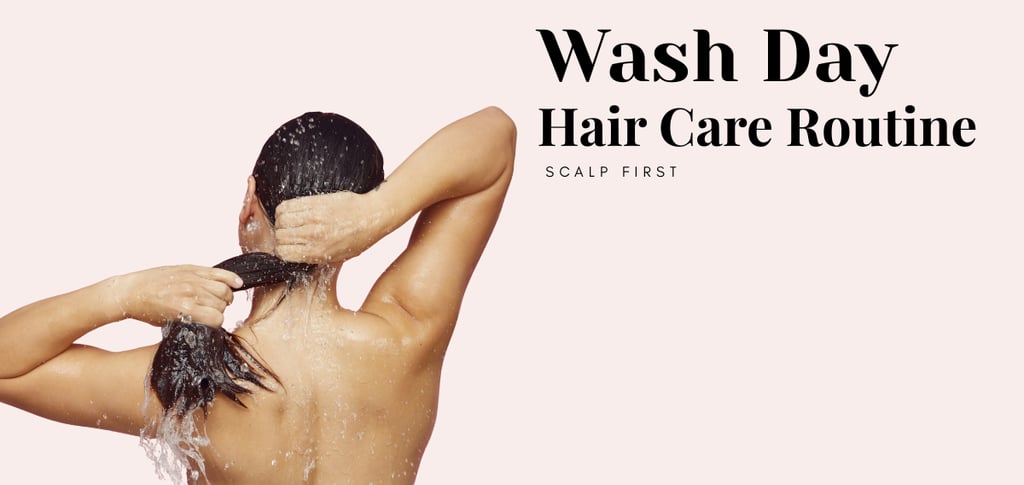
Hair care routines don’t need to be complicated to be effective. In fact, many people see better results when they focus on simple, repeatable habits, especially on wash day.
This guide walks through a scalp-first wash day hair care routine that you can adjust to your lifestyle. It centers around hair oiling, gentle cleansing, and practical care that supports healthier hair over time — without pressure to do everything perfectly.
You can follow this routine exactly or treat it as a framework to build from.
Before Wash Day: Scalp Prep With Hair Oiling
Hair oiling works best when it’s used as scalp preparation, not as a heavy treatment for the hair lengths.
Before washing:
Apply a small amount of oil directly to the scalp
Focus on sections rather than coating the entire head
Massage gently instead of soaking the hair
You can leave the oil on for:
30–60 minutes for a short prep
Overnight if that feels comfortable for you
More oil does not equal better results. A light, intentional application is usually enough.
If you’re looking for a simple example of how hair oiling fits into a routine, this castor oil and rosemary oil scalp-care method explains it step by step.
Step 1: Gentle Scalp Massage
Before stepping into the shower, spend a few minutes on scalp massage.
Scalp massage helps:
Support circulation
Loosen buildup before washing
Encourage consistency in scalp care
Use your fingertips or a soft tool and apply gentle pressure. This should feel relaxing, not aggressive. Aim for 5–10 minutes.
Step 2: Washing the Scalp (Not the Hair)
This is one of the most important shifts in wash day routines.
Shampoo is meant for the scalp, not the hair lengths.
When washing:
Apply shampoo directly to the scalp
Massage gently to cleanse
Let the suds rinse through the lengths naturally
Avoid piling your hair on top of your head or scrubbing the ends. Over-washing the lengths often leads to dryness and breakage.
Step 3: Conditioning the Lengths
Conditioner has a different role than shampoo.
When conditioning:
Apply from mid-lengths to ends
Avoid the scalp unless directed otherwise
Detangle gently with fingers or a wide-tooth comb
Conditioning helps with manageability and breakage prevention, not scalp care.
Step 4: Post-Wash Care (Keep It Simple)
After washing, less is usually more.
Post-wash care can include:
Gently squeezing out excess water (no rough towel rubbing)
Applying a small amount of leave-in or serum to the ends if needed
Letting hair air dry or using minimal heat
This step is optional and should be adjusted based on your hair’s needs.
Step 5: Between Wash Days
Hair care doesn’t stop after wash day, but it also doesn’t need constant attention.
Between washes:
Light scalp care may help if your scalp feels dry or tight
Avoid re-oiling too frequently
Let your hair rest
Sometimes doing less helps the scalp rebalance on its own.
How This Routine Supports Hair Oiling and Shedding
Hair oiling supports this routine by:
Preparing the scalp before cleansing
Encouraging massage and circulation
Promoting consistency in scalp care
However, oiling works best when paired with gentle wash day habits. It’s not meant to replace cleansing or compensate for harsh routines.
Hair oiling can support scalp health and consistency, but it’s not a solution for every cause of shedding, which is why understanding when hair oiling helps — and when it doesn’t is important.
I’ve shared the hair oils and scalp-care tools referenced in this routine on the Hair Care Resources page for easy reference.
Final Thoughts
Healthy hair routines don’t come from doing everything at once. They come from choosing habits you can repeat consistently.
This scalp-first wash day routine is meant to be flexible, realistic, and supportive — not overwhelming. If it feels manageable, you’re more likely to stick with it, and that’s where real change happens over time.
This routine can be adjusted based on individual needs and will continue to evolve as more scalp-care methods are explored.
Join Glow Ritual
Real glow-up guidance, inspired by Asian beauty rituals.
© 2025. All rights reserved.
araya glow shares educational beauty content and product recommendations. Some links may be affiliating links, which means a small commission may be earned at no extra cost to you. All recommendations are chosen independently.